2025 AIChE Annual Meeting
(685f) Quantifying Carbon Mitigation Co-Benefits of China's "Zero-Waste City" Pilot
Authors
Dan Wu, Changzhou University
Yong Chen, Guangzhou Institute of Energy Conversion, Chinese Academy of Sciences
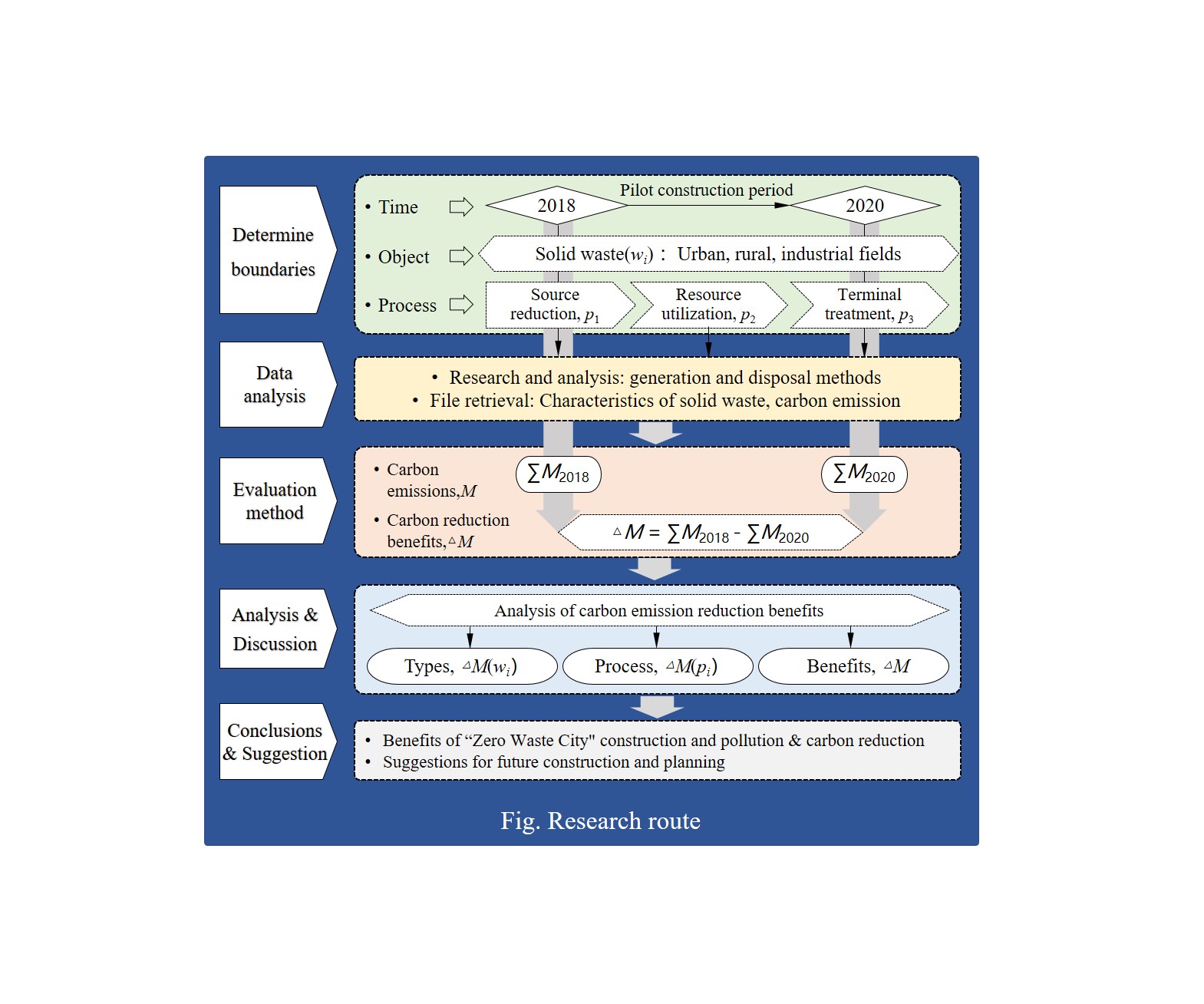
China's national "Zero-Waste City" strategy represents a large-scale, government-led initiative targeting synergistic pollution control and decarbonization, crucial for achieving its ambitious climate goals. Launched initially with the "11+5" pilot cities and regions, the program promotes sustainable urban development models. This study quantifies the carbon mitigation co-benefits realized during the 2018-2020 initial pilot phase, drawing upon findings from China's Jiangsu Province typical transitioning industrial city, as a detailed case study. Employing a Life-Cycle Assessment(LCA) framework adapted from the U.S. Environmental Protection Agency's Waste Reduction Model (WARM) and incorporating localized emission factors, we comprehensively analyzed solid waste streams across industrial, agricultural, and urban/rural sectors—evaluating impacts from source reduction through recycling to final disposal methods. The results from the Xuzhou city case demonstrate a substantial total carbon emission reduction benefit of 16.07 million tons CO2eq over the period. Source reduction measures were the primary contributor, accounting for 15.31 million tons CO2eq, largely driven by industrial restructuring and technological upgrades which significantly reduced the generation of bulk wastes like fly ash, furnace slag, and coal gangue. Furthermore, enhanced resource recovery rates, particularly for materials such as e-waste and scrap metals, alongside optimized disposal pathways including reduced landfilling volumes and increased waste-to-energy incineration, contributed significantly to the overall carbon mitigation. This study provides robust empirical evidence validating the effectiveness of China's "Zero-Waste City" model for achieving significant, measurable climate co-benefits alongside environmental improvements, it also provides a reference for continuously promoting the implementation of the strategy.