2025 AIChE Annual Meeting
(402u) Integration of Hybrid Renewable Energy Systems with Dual-Storage Technologies (CAES and hydrogen storage) for Reliable and Sustainable Energy Supply: Case Study Approach.
The increasing demand for sustainable and reliable energy necessitates the integration of renewable energy sources and advanced storage technologies. This research explores the design and optimization of a hybrid energy system that combines solar and wind power with two storage technologies: adiabatic compressed air energy storage (A-CAES) and hydrogen storage. Using Cumberland County as a case study, this research demonstrates how hybrid systems can effectively meet variable energy demands while ensuring a reliable power supply. By addressing the intermittency of renewable generation, this study offers insights into how such hybrid systems can enhance grid stability, reduce reliance on fossil fuels, and increase the sustainability of the energy mix.
The aim is to integrate these renewable sources with dual-storage systems that can effectively manage both daily and seasonal fluctuations in demand. The study employs real-time energy consumption data (hourly load profiles) and Python-based modeling to simulate the dynamic interaction between energy generation and storage systems. By optimizing this interaction, the research shows how a hybrid renewable system can achieve consistent and reliable energy availability while maintaining environmental and economic benefits.
Methodology
The hybrid system includes a 199 MW wind farm using 80 GE 2.X-127 turbines and a 99.3 MW solar farm employing Canadian Solar HiKu panels, generating a total of 424.2 GWh and 331.9 GWh annually, respectively. These renewable sources are paired with dual-storage technologies to ensure a stable energy supply across varying time scales.
- A-CAES is designed to manage daily energy fluctuations, storing compressed air during periods of high generation and releasing it during periods of peak demand. The system has a storage capacity of 1,548 MWh and an efficiency range of 75.1–79.3%.
- Hydrogen Storage is used to store excess energy generated during renewable energy peaks. The energy is stored as hydrogen and can be reconverted into electricity when needed. The hydrogen storage system has a capacity of 39,195 MWh over five months, which addresses seasonal energy demand variations.
The modeling process uses hourly load data to simulate energy generation and storage, optimizing energy flows based on real-world consumption patterns. Python modeling tools were used to simulate energy flows, storage efficiency, and system interaction. This approach also allows for sensitivity analysis, helping understand how the system performs under different energy generation and consumption scenarios. The modeling process used real data from hourly load profiles, simulating fluctuations in energy demand and generation. These real-world data profiles helped refine the dynamic interaction between storage systems and energy generation.
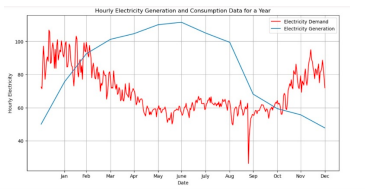
Figure 1.Annual electricity generation versus consumption.
A geological assessment was also conducted using 3D seismic imaging to evaluate the suitability of the Nappan salt formation for storing compressed air and hydrogen. Figure 3 illustrates the annual electricity generation versus consumption, confirming the system's ability to meet regional demand consistently. Figure 4 demonstrates the geological feasibility and storage potential for both A-CAES and hydrogen storage in large-scale energy projects.
Results
The hybrid system successfully met energy demands, achieving a balanced annual supply of 751.5 GWh. Key results include:
- Energy Reliability: Integration of A-CAES and hydrogen storage reduced the variability of renewable energy generation, ensuring consistent energy availability even during periods of low generation.
- Economic Feasibility: The project showed strong economic viability with a Net Present Value (NPV) of $474.9 million and an Internal Rate of Return (IRR) of 20.94%. These results are promising, especially considering the high initial capital expenditures required for renewable energy projects and energy storage systems. The economic model includes grid interconnection costs, system maintenance, and potential revenue from energy sales during high-demand periods.
- Environmental Impact: The integration of renewable generation and storage resulted in a 270,654 metric tons reduction in carbon dioxide emissions annually. This underscores the potential for hybrid renewable energy systems to contribute significantly to reducing global greenhouse gas emissions.
Conclusion
This research presents a scalable and efficient model for integrating hybrid renewable energy systems with dual-storage technologies. By addressing both daily and seasonal energy demands, the proposed solution ensures a reliable power supply and reduces dependency on fossil-fuel-based generation. The integration of A-CAES and hydrogen storage enhances the system’s grid stability and cost-effectiveness, making it a viable solution for regions looking to transition toward sustainable energy solutions. The integration of A-CAES and hydrogen storage ensures grid stability while reducing reliance on fossil fuels. Future research will focus on incorporating AI-based optimization techniques for improved real-time control of energy flows and further enhancing the scalability of the hybrid system.